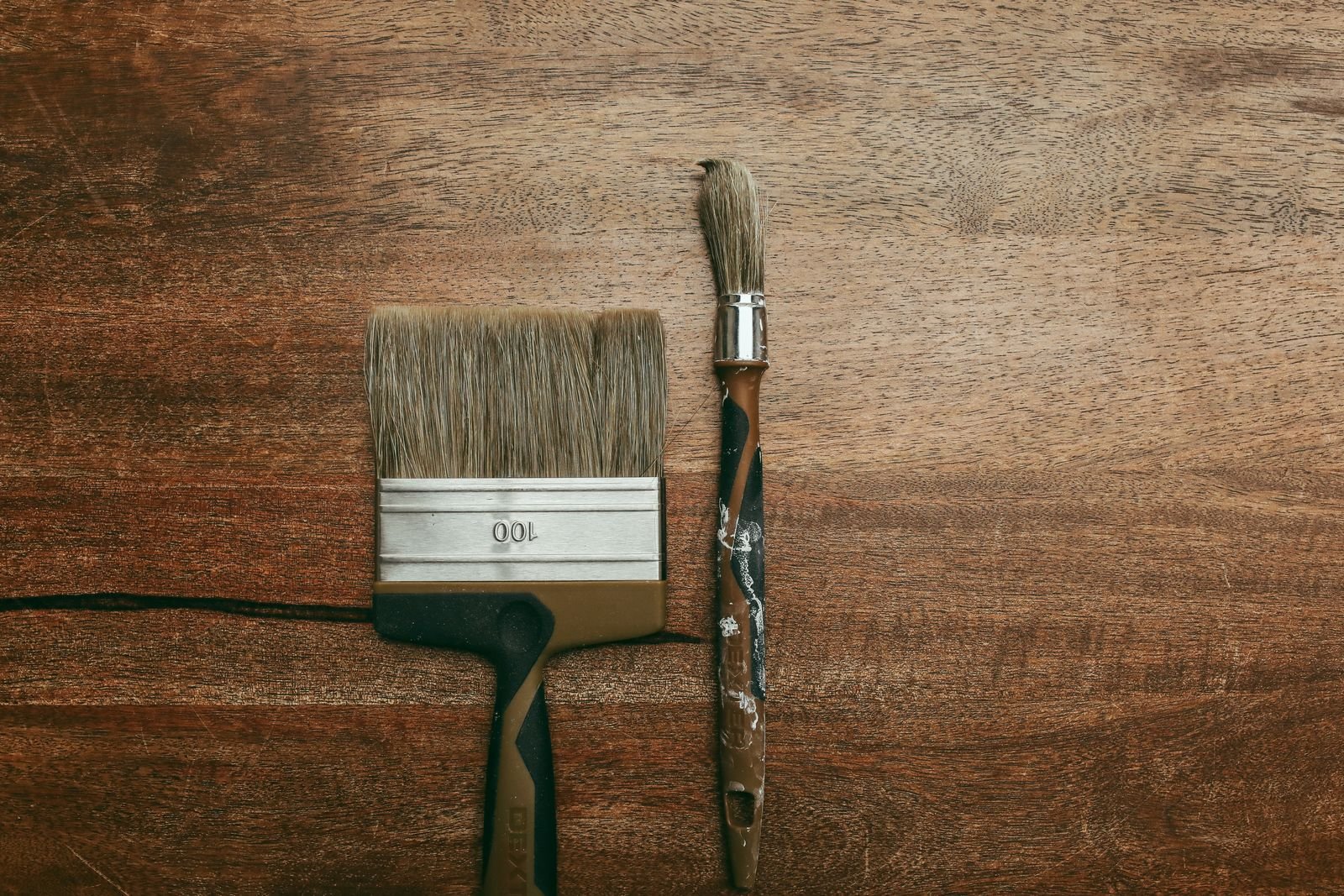
The best way to paint over stained wood is to clean it, scuff-sand the old finish, then put down one coat of stain-blocking primer before any paint. For most stained furniture we’d use Zinsser Cover-Stain, an oil-based primer that Zinsser says sticks to varnish without sanding and blocks tannin bleed. If the piece is knotty pine or has dark water marks, seal those spots with B-I-N shellac primer first.
Skipping the primer is the usual mistake. Latex paint brushed straight onto a stained, sealed surface tends to peel, and the color from the old stain or the wood itself can bleed through light paint as yellow or brown blotches.
We may earn a commission when you buy through links on this page, at no extra cost to you. As an Amazon Associate we earn from qualifying purchases.
How we chose these primers
We read the manufacturers’ technical data sheets for each primer and compared the four things that decide whether paint over stain holds up: what the primer bonds to, which stains it blocks, how long it needs before paint, and how long it takes to fully harden. Amazon ratings and the “Customers say” summaries from the listings (checked November 2026) gave us the common complaints. We did not test these primers ourselves.
The 4 primers side by side
| Primer | Base | Blocks tannin / wood bleed? | Paint over it after | Full hardness | Cleanup | Amazon rating (Nov 2026) |
|---|---|---|---|---|---|---|
| Zinsser Cover-Stain | Oil (alkyd) | Yes, “excellent tannin blocker” | 1 hour | 7 days (full adhesion) | Paint thinner | 4.5/5, 518 ratings |
| Zinsser Bulls Eye 1-2-3 | Water (acrylic) | Yes for cedar/redwood, with a 24-hour wait | Under 1 hour; 2 hours for stain sealing | See data sheet | Soap and water | Not shown on the page we checked |
| Zinsser B-I-N (shellac) | Shellac | Yes, plus knots and sap | 45 minutes | 1-3 days | Denatured alcohol | 4.4/5, 142 ratings (13 oz spray) |
| INSL-X Stix | Water (urethane-acrylic) | Not listed on its data sheet | 3-4 hours | 3-4 days | Soap and water | 4.6/5, 2,900+ ratings |
Dry times are the makers’ figures at about 70-77°F and 50% humidity. Cool or damp rooms stretch every one of them.
Before you open any can: check what’s on the wood
“Stained wood” covers three different surfaces, and each one changes the primer choice.
- Stain under a glossy clear coat (most factory furniture, cabinets, trim). The problem is adhesion. You need a primer rated for varnish and glossy finishes.
- Stain with a dull or worn finish (old dining chairs, a sun-faded dresser). Adhesion is easier, but the wood and stain are more exposed, so bleed-through is the bigger risk.
- Knotty or resinous wood (pine, some reclaimed boards). Knots and sap streaks can push through ordinary primers. Zinsser’s data sheets point to B-I-N for these.
If you’d rather take the old finish off entirely, our guide to the best non-toxic paint removers compares strippers by their safety data sheets. For a painted look over stain, though, priming is faster than stripping.
The process, step by step
- Clean. Wash off grease, polish and wax. KILZ’s surface-prep instructions call for a clean, dry surface and suggest a non-soapy detergent or TSP substitute, rinsed and dried. Furniture polish left on the surface is a common reason primer won’t grip.
- Scuff-sand. A light pass with fine sandpaper dulls the sheen and gives the primer something to hold. Zinsser says Cover-Stain and Bulls Eye 1-2-3 bond to varnish without sanding, while the INSL-X Stix data sheet still recommends deglossing glossy surfaces. A light scuff costs ten minutes and removes the question. Wipe the dust off afterward.
- Spot-prime knots and dark marks with shellac primer if you have them.
- Prime the whole piece with one coat. Brush in the direction of the grain.
- Test before you paint everything. Paint a small hidden patch and let it dry. If yellow or brown shows through, add a second primer coat. Zinsser’s data sheets note that some stains need a second coat.
- Paint with two thin coats of your topcoat, then give it the full cure time before heavy use.
Lead safety: if the piece is old and may have paint under the stain or finish, sanding it can release lead dust. The KILZ prep instructions carry this warning and point to the EPA’s lead information at epa.gov/lead. Test before you sand anything that old.
Zinsser Cover-Stain Oil-Based Primer: best for most stained furniture
This is the primer we’d use on a varnished oak dresser or a set of stained cabinets. Zinsser’s data sheet says it has “excellent adhesion to dense, glossy surfaces such as enamel paints and varnishes, paneling, laminates, and ceramic tile without the need for sanding or de-glossing,” and calls it an excellent tannin blocker for bare cedar and redwood. Because it’s oil-based, it holds back stain colors that can migrate into water-based paint.
Who it’s for: anyone painting a stained, varnished piece light colors such as white, cream or pale gray, where bleed-through would show.
Skip it if: you’re working indoors with poor ventilation, or you can’t use paint thinner for cleanup.
Pros
- Rated for interior and exterior use, so it works on porch furniture too.
- Recoat in 1 hour, according to Zinsser (touch-dry in 30 minutes).
- Can be tinted toward your paint color (up to 2 oz colorant per gallon), which helps the topcoat hide in fewer coats.
- Practical coverage of 400-450 sq ft per gallon, so a quart goes a long way on furniture.
Cons
- Strong odor: Amazon’s review summary lists smell as a common complaint, and the data sheet gives 450 g/L VOC.
- Full adhesion takes 7 days, so the paint is easy to scratch the first week.
- Owners disagree on drying speed; some report it dries slower than expected.
Zinsser Bulls Eye 1-2-3: best low-odor option
If oil-based fumes are a dealbreaker, Bulls Eye 1-2-3 is the water-based primer with the closest claims. Zinsser’s data sheet says it bonds to “dense glossy surfaces such as enamel paints and varnishes” without sanding or deglossing, and blocks “light water stains and cedar or redwood bleed.” There’s a catch on tannin-rich wood: over bare cedar or redwood, Zinsser says to wait 24 hours before painting, and stain sealing generally needs 2 hours, not the quick 1-hour topcoat time on the label.
Who it’s for: indoor projects like a bedroom dresser or nursery piece where you want soap-and-water cleanup.
Skip it if: the piece has heavy water stains, smoke damage or bleeding knots. Zinsser’s own data sheet sends those jobs to B-I-N.
Pros
- Soap-and-water cleanup and lower odor than the oil and shellac primers.
- Can be applied down to 35°F, useful in a cold garage.
- Mold- and mildew-resistant film, per the data sheet.
Cons
- Amazon’s review summary says adhesion opinions are mixed; some buyers say it didn’t stick properly.
- Weaker stain blocking than shellac: rated for light water stains, not severe ones.
- The 2-hour and 24-hour sealing waits are easy to miss if you go by the front of the can.
Zinsser B-I-N Shellac Primer (spray): best for knots and dark stains
Shellac is the heavy-duty stain blocker. Zinsser’s B-I-N data sheet says it seals knots, sap streaks, tannin bleed and water stains, bonds to glossy surfaces without scuff sanding, and can be recoated in 45 minutes. The 13 oz spray can is the easy way to use it on furniture: spray the knots and marks, let it dry, then prime the whole piece.
Who it’s for: knotty pine furniture, pieces with dark rings or water marks, and anyone who has already seen yellow spots come through a first coat of paint.
Skip it if: you want to prime a whole large piece from a spray can. The listing gives coverage of 10-12 sq ft per can, so it’s a spot primer, not a full-coat primer for a dresser.
Pros
- Fastest to paint over: recoat in 45 minutes, full cure in 1-3 days (liquid B-I-N data sheet).
- Owners in Amazon’s review summary mention it covering pine knots and scuff marks well and drying fast.
- Works under any topcoat, oil or latex.
Cons
- Only 10-12 sq ft per can.
- Interior use and exterior spot priming only, according to Zinsser.
- Alcohol-based and flammable, so ventilate well and keep it away from flames. Brushes and drips need denatured alcohol, not water.
INSL-X Stix Bonding Primer: best for slick finishes and laminate
Stix is a bonding primer. Its job is grip, not stain blocking. The INSL-X data sheet lists glossy paints, tile, PVC, vinyl, glass and laminate among the surfaces it bonds to, and it cures to a hard film at temperatures as low as 35°F. The stain-blocking list we read does not mention tannin or wood bleed, so on a dark-stained piece going white we’d pair it with a B-I-N spot coat or use Cover-Stain instead.
Who it’s for: stained furniture with a very slick factory finish, or laminate pieces made to look like stained wood.
Skip it if: bleed-through is your main worry, or you need to paint the same day.
Pros
- The highest rating count of the four: 4.6/5 from 2,900+ Amazon ratings.
- Amazon’s review summary mentions good adhesion on kitchen cabinets and tile.
- Low VOC (under 100 g/L) with soap-and-water cleanup.
Cons
- Slowest to paint over: 3-4 hours, and 3-4 days to reach full scrape resistance.
- INSL-X still recommends deglossing glossy surfaces, despite the “bonds to glossy” pitch.
- Mixed durability feedback; some owners report peeling.
Which primer for your piece
- Varnished stained wood, painting it white or a light color: Cover-Stain. Oil-based tannin blocking and varnish adhesion in one coat.
- Same piece, but you need low odor indoors: Bulls Eye 1-2-3, and respect the 2-hour stain-sealing wait. Paint a test patch before committing.
- Knotty pine or visible water rings: B-I-N spray on the knots and rings first, then a full coat of Cover-Stain or Bulls Eye 1-2-3.
- Very slick finish or laminate, painting a mid or dark color: Stix. Bleed matters less under dark paint, and grip matters more.
- Using an all-in-one furniture paint: some brands say they need no primer, but on stained wood that bleeds, a stain-blocking primer still helps. Our all-in-one paint guide matches those paints to the old finish.
For the topcoat itself, see our picks for the best chalk paint for furniture, or the best paint for a coffee table if the piece gets daily wear and needs a tougher sealed finish.
FAQ
Can you paint over stained wood without sanding?
Zinsser says Cover-Stain, Bulls Eye 1-2-3 and B-I-N all bond to varnished or glossy surfaces without sanding. INSL-X still recommends deglossing before Stix. A light scuff-sand is cheap insurance, especially on a tabletop that gets wiped and bumped daily.
Do you need primer to paint over stained wood?
Yes, for most pieces. A sealed, stained surface gives latex paint little to grip, and stain or tannin color can bleed through light paint. A stain-blocking primer handles both problems in one coat.
Why is brown or yellow showing through my white paint?
That’s bleed-through from the stain, tannins in the wood or knots. Let the paint dry, spot-prime the marks with shellac primer such as B-I-N, then repaint. Zinsser notes some stains need a second primer coat.
Oil-based or water-based primer over stained wood?
Oil-based (Cover-Stain) or shellac (B-I-N) gives the strongest stain blocking. Water-based Bulls Eye 1-2-3 works for light stains and cedar or redwood bleed if you allow the longer sealing time. You can put latex paint over any of the four primers here.
How long should primer dry before painting stained wood?
Follow the maker’s figure: 45 minutes for B-I-N, 1 hour for Cover-Stain, 2 hours for Bulls Eye 1-2-3 when sealing stains (24 hours over bare cedar or redwood), and 3-4 hours for Stix. Add time in a cold or humid room.
Sources
- Zinsser Cover-Stain Oil-Based Primer technical data sheet (CVS-03): rustoleum.com – adhesion, tannin blocking, dry/recoat/cure, coverage, VOC, tinting (checked 2026-11-20)
- Zinsser Bulls Eye 1-2-3 technical data sheet (BEY123-01): rustoleum.com – glossy-surface adhesion, stain list, 2-hour/24-hour sealing, 35°F application (checked 2026-11-20)
- Zinsser B-I-N Shellac-Base Primer technical data sheet (BIN-03): rustoleum.com – stain blocking, recoat 45 minutes, cure 1-3 days (checked 2026-11-20)
- INSL-X Stix Waterborne Bonding Primer technical data sheet (SXA-110): benjaminmoore.com – surfaces, recoat, cure, VOC, deglossing note (checked 2026-11-20)
- KILZ surface preparation and lead warning: kilz.com (checked 2026-11-20); EPA lead information: epa.gov/lead
- Amazon listings (Creators API and listing pages, November 2026): Zinsser Cover-Stain quart ASIN B000BZX6B4 (4.5/5, 518 ratings); Zinsser Bulls Eye 1-2-3 quart ASIN B000H5VKBQ (review summary); Zinsser B-I-N 13 oz spray ASIN B000MRS1XY (4.4/5, 142 ratings, 10-12 sq ft coverage); INSL-X Stix quart ASIN B07KXNL5G8 (4.6/5, 2,900+ ratings)